
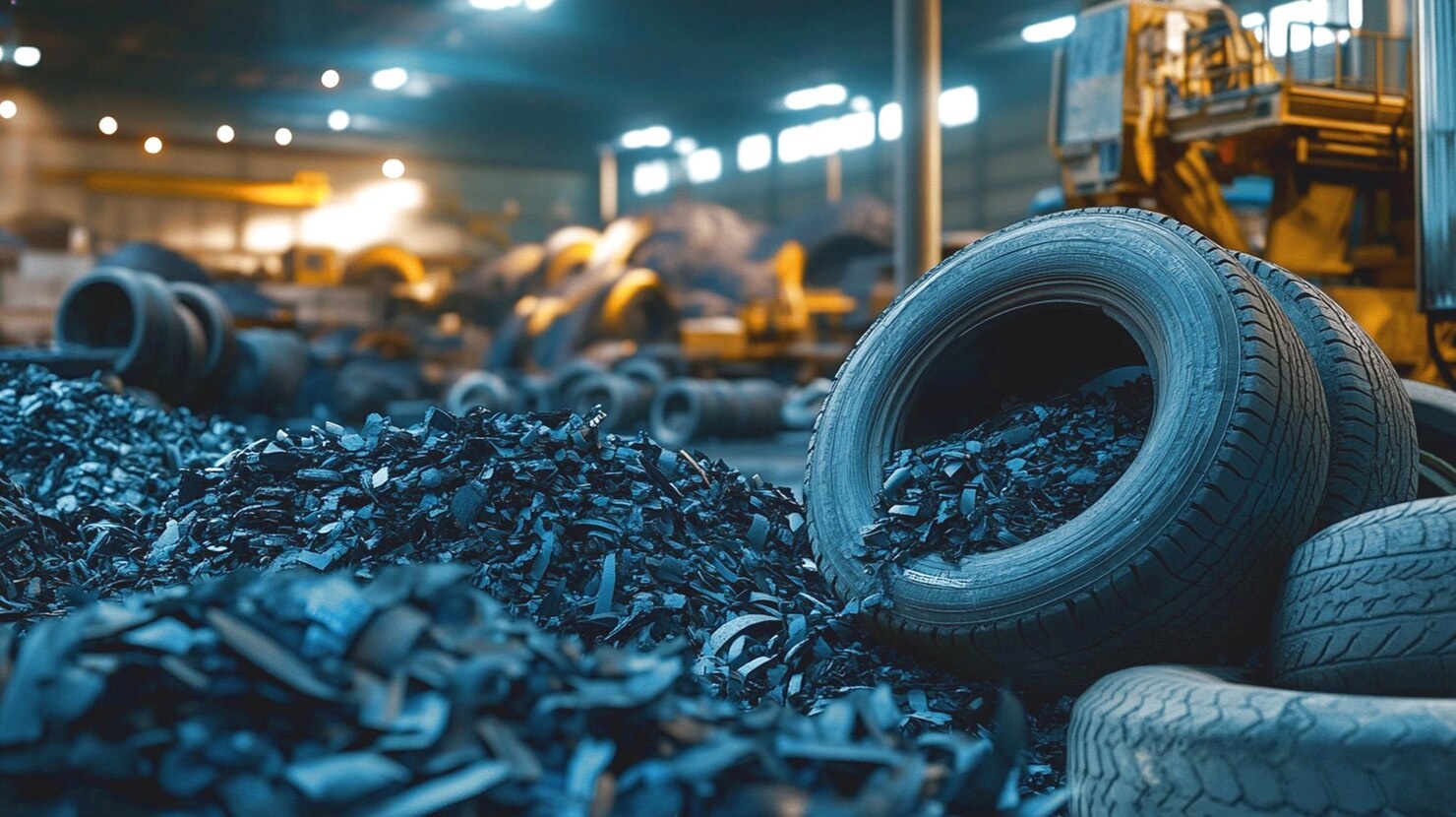
Fabhind – Cost of Tyre Recycling Plant in India
Introduction
India generates millions of tonnes of waste tyres every year, creating both an environmental challenge and a lucrative business opportunity. With growing awareness around sustainability and circular economy practices, investing in a tyre recycling plant has become a smart move for entrepreneurs and industries alike.
Fabhind, a trusted name in recycling technology, offers advanced solutions for setting up efficient and profitable tyre recycling systems across India.
What is a Tyre Recycling Plant?
A waste tyre recycling plant is a facility designed to process discarded tyres and convert them into reusable materials such as rubber granules, steel, fuel oil, and carbon black. Depending on the technology used, these plants can be categorized into:
- Waste tyre shredding plants
- Crumb rubber plants
- Waste tyre pyrolysis plants (tyre to oil plants)
Each type serves different business goals, investment levels, and output products.
Types of Tyre Recycling Plants in India
1. Waste Tyre Shredding Plant
This type of waste tyre plant focuses on cutting tyres into small chips for further processing or direct industrial use.
Key Outputs:
- Tyre chips
- Steel wire
Best For:
- Low to medium investment businesses
- Supplying raw material to other recycling industries
2. Crumb Rubber Plant
A crumb rubber plant processes tyre chips into fine rubber powder used in:
- Road construction
- Sports surfaces
- Rubber products
Advantages:
- High demand in infrastructure sector
- Environmentally sustainable
3. Waste Tyre Pyrolysis Plant (Tyre to Oil Plant)
A waste tyre pyrolysis plant (also known as a tyre to oil plant) converts scrap tyres into valuable fuels through a thermal decomposition process.
Key Outputs:
- Pyrolysis oil (fuel)
- Carbon black
- Steel wire
- Combustible gas
Why It’s Popular:
- High profitability
- Energy recovery from waste
- Growing demand for alternative fuels
Cost of Tyre Recycling Plant in India
The cost of setting up a waste tire plant in India varies based on several factors such as plant type, capacity, automation level, and technology used.
Estimated Cost Breakdown
| Plant Type | Capacity | Estimated Cost (INR) |
|---|---|---|
| Tyre Shredding Plant | 1–5 TPH | ₹15 lakh – ₹1 crore |
| Crumb Rubber Plant | 1–3 TPH | ₹50 lakh – ₹2 crore |
| Waste Tyre Pyrolysis Plant | 5–20 TPD | ₹80 lakh – ₹5 crore |
Note: Prices may vary depending on customization, raw material handling systems, and additional equipment.
Factors Affecting Tyre Recycling Plant Cost
1. Plant Capacity
Higher capacity plants require more machinery and space, increasing initial investment.
2. Technology & Automation
Fully automatic waste tyre recycling plants cost more but offer better efficiency and lower labor costs.
3. Land & Infrastructure
Land cost varies by location. Industrial zones may have higher upfront costs but better logistics.
4. Government Approvals
Licenses, pollution control approvals, and compliance can add to the setup cost.
5. Raw Material Availability
Easy access to scrap tyres reduces transportation costs and improves profitability.
Profitability of Tyre Recycling Business
A tyre to oil plant or waste tyre pyrolysis plant can generate strong returns due to multiple revenue streams:
- Sale of pyrolysis oil
- Carbon black resale
- Scrap steel recovery
- Fuel gas reuse
ROI Timeline: Typically 12–24 months depending on plant capacity and market conditions.
Why Choose Fabhind for Tyre Recycling Plant?
Fabhind stands out as a leading manufacturer and supplier of waste tyre recycling plants in India due to:
- Advanced and energy-efficient technology
- Customized plant solutions
- Turnkey project execution
- Strong after-sales support
- Competitive pricing
Whether you are planning a waste tyre plant, waste tire plant, or a high-capacity tyre to oil plant, Fabhind provides complete guidance from setup to operation.
Government Support & Subsidies in India
The Indian government encourages recycling initiatives through:
- Subsidies under MSME schemes
- Pollution control incentives
- Startup support programs
These benefits can significantly reduce the effective cost of setting up a waste tyre recycling plant.
Conclusion
Setting up a tyre recycling plant in India is not just an environmentally responsible decision but also a highly profitable business opportunity. With rising demand for recycled materials and alternative fuels, investing in a waste tyre pyrolysis plant or tyre to oil plant can yield strong long-term returns.
Fabhind offers reliable, scalable, and cost-effective solutions tailored to your business needs. If you're planning to enter the tyre recycling industry, now is the perfect time to invest in a sustainable future.